Source Refractory Energy Storage Power Cable for EVs, Grids, and Batteries
Find 30 refractory energy storage power cable options for electric vehicles, grid infrastructure, and battery systems. Compare copper wire specifications, PVC insulation, and custom lengths to identify suitable high-voltage and low-voltage harness solutions for your industrial needs; compare the available evidence and request quotations based on your requirements.
Key considerations
Products List




Comprehensive Sourcing Guide
Refractory Energy Storage Power Cable Sourcing Guide
Procuring refractory energy storage power cables requires distinguishing between general automotive harnesses and specialized high-voltage assemblies designed for thermal resilience. The observed market data indicates a product range spanning from low-voltage signal harnesses to high-voltage wiring solutions, with specific models identified as energy storage cables. Buyers must carefully verify that the supplier's "Energy Storage Cable" designation aligns with the rigorous thermal and electrical demands of battery management systems, rather than standard automotive or motorcycle applications.
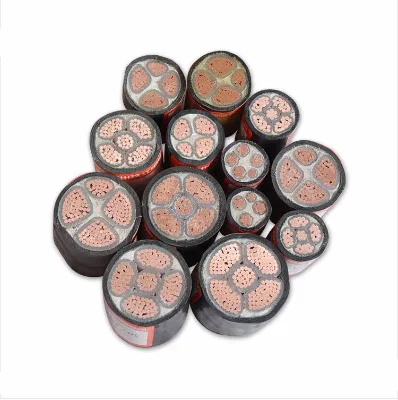
The sourcing landscape presents a wide variety of configurations, including round shapes with copper wire cores and insulation materials ranging from PVC to rubber and silicone. While some listings specify standard lengths like 350mm, others offer fully customized dimensions to fit unique enclosure constraints. A critical initial step involves filtering suppliers who explicitly list high-voltage capabilities and refractory properties, ensuring the selected cable can withstand the specific current loads and environmental stresses inherent to energy storage deployments.
Product Scope and Observed Listing Signals
Buyers should scrutinize the specific application tags attached to each listing, as the market data shows products marketed for electronic, automobile, motorcycle, and home appliance sectors simultaneously. The presence of "High Voltage Wiring Harness" attributes alongside "Low Voltage Wiring Harness" options suggests a need for precise filtering to isolate components suitable for energy storage power transmission. Misidentifying a low-voltage signal harness as a power cable can lead to catastrophic failure in high-current battery applications, making this distinction the primary gatekeeper in the selection process.
The physical construction details provided in listings, such as jacket materials like PVC or PU and insulation types including rubber and silicone, offer clues regarding thermal performance. While some products specify a "Refractory" nature through material choices like bare copper wire and specific bandaging materials, others rely on generic descriptions. Procurement teams must cross-reference these material claims against the specific thermal environment of the energy storage unit, ensuring the insulation and jacketing can maintain integrity under the expected operating temperatures and potential short-circuit conditions.
Technical Specifications to Verify
Verification of conductor and insulation specifications is paramount, as the data reveals a mix of copper wire cores, bare copper wire, and various insulation materials like PVC, rubber, and PE. Buyers must confirm that the selected cable's wire gauge, ranging from 2AWG to 10AWG in observed listings, matches the precise current requirements of the energy storage system. Relying on a generic "customized" wire gauge without validating the specific ampacity against the system's peak load can result in excessive voltage drop or thermal runaway.
The interface and connection types listed, such as AC/DC interfaces and thread or crimping connections, must align with the system's architectural design. Specifications like pin sizes of 8mm to 14mm and rated currents between 60A and 350A indicate a broad capability range, but the exact match for the specific energy storage module is essential. Additionally, the IP level of IP67 and life cycle expectations of over 100 cycles require validation to ensure the cable assembly can endure the mechanical stress and environmental exposure of the intended installation location, whether front or back of the unit.
Compliance and Safety Documentation
Navigating the certification landscape requires careful attention to the specific standards cited, as listings mention RoHS, CCC, VDE, and ISO certifications. While some products display a combination of these marks, buyers must verify that the specific certification applies to the high-voltage energy storage variant and not just a general automotive harness line. The presence of "Customized" standards in some entries necessitates a direct request for the specific test reports that validate the cable's performance against the relevant safety codes for energy storage applications.
Safety documentation must explicitly address the refractory nature of the cable, ensuring it meets the necessary fire resistance and thermal stability requirements for battery packs. The observed data includes mentions of resistance properties and specific insulation materials, but these are not substitutes for formal safety test results. Procurement teams should demand evidence that the cable has been tested for short-circuit resistance and thermal endurance, particularly given the high risks associated with energy storage systems where fire propagation is a critical concern.
Cost Drivers and Commercial Terms
The observed price range of 0.03 to 65 USD highlights significant variability driven by material composition, customization levels, and certification status. Buyers must understand that the lower end of this spectrum likely corresponds to standard, non-refractory harnesses, while specialized energy storage cables with high-voltage ratings and custom insulation will command higher prices. The cost is heavily influenced by the choice of conductor material, such as bare copper versus standard copper wire, and the complexity of the insulation and jacketing materials required for thermal resilience.
Commercial terms regarding Minimum Order Quantity (MOQ) and lead times vary widely, with observed MOQs ranging from 10 to 1000 units. Customization of length, color, and standard specifications often introduces additional costs and extends lead times, requiring careful planning in the procurement schedule. Buyers should negotiate clear terms regarding the cost of tooling for custom molds or connectors, as well as the pricing structure for volume tiers, to ensure the total cost of ownership remains competitive while maintaining the necessary quality standards for energy storage applications.
Supplier Qualification and Quality Control
Supplier qualification should focus on their ability to provide consistent quality for customized wire lengths and specific insulation materials like PVC, rubber, and silicone. The data indicates that many suppliers offer "Customized" standards and packing methods, but the consistency of these customizations is critical for large-scale energy storage deployments. Buyers must assess the supplier's manufacturing capabilities, specifically their experience with injection molding assembly classes and crimping processes, to ensure the final product meets the rigorous mechanical and electrical standards required.
Quality control protocols must be verified through the supplier's ability to provide traceability for materials and production batches. The observed listings mention various packing methods, from PE bags to cartons, but the internal quality assurance processes are equally important. Buyers should request evidence of in-process testing for insulation resistance and connection integrity, ensuring that the supplier maintains strict control over the production of high-voltage cables to prevent defects that could compromise the safety of the energy storage system.
Long-Term Procurement Checks
Establishing a long-term partnership requires regular audits of the supplier's ability to maintain consistent material quality and adherence to specified standards over time. The dynamic nature of energy storage technology means that cable specifications may evolve, requiring suppliers to adapt their manufacturing processes and material sourcing strategies. Buyers should implement a schedule for periodic re-verification of certifications and material properties to ensure the supplied cables continue to meet the evolving safety and performance requirements of the industry.
Performance monitoring of the installed cables is essential to validate the supplier's claims regarding life cycle and operational reliability. The observed data suggests a life cycle of over 100 cycles, but real-world performance in energy storage applications may differ based on environmental conditions and usage patterns. Procurement teams should establish a feedback loop with the end-users to track any failures or degradation, using this data to hold suppliers accountable and drive continuous improvement in the quality and durability of the supplied power cables.
FAQs
What certifications are available for energy storage cables?
Energy storage cables typically carry RoHS, CCC, and VDE certifications to ensure compliance with international safety and environmental standards. These certifications verify that the materials used, such as copper conductors and PVC insulation, meet rigorous regulatory requirements for automotive and electronic applications. Buyers should verify specific certification documents with suppliers to confirm suitability for their target markets and project specifications.
Can the cable length be customized for specific projects?
Yes, cable length is fully customizable to meet specific project requirements. Standard options may include 350mm, but manufacturers offer tailored lengths to fit precise installation needs. This customization ensures optimal fitment in automotive, motorcycle, or electronic assemblies without excess material waste. Buyers should provide exact dimensional requirements during the inquiry process to receive accurate quotes and production timelines.
What insulation materials are used for these wiring harnesses?
Common insulation materials include PVC, rubber, PE, and silicone, selected based on environmental and electrical demands. These materials provide necessary resistance and durability for high or low voltage applications. The choice depends on factors like temperature range and flexibility needs. Suppliers often offer customized insulation options to match specific industry standards for automotive or home appliance wiring harnesses.
What is the typical IP rating for these connectors?
Many automotive and industrial wiring harnesses feature an IP67 rating, ensuring protection against dust and temporary water immersion. This level of ingress protection is critical for reliable performance in harsh environments. Connectors often utilize thread or crimping connection types to maintain this seal. Buyers should confirm the specific IP level required for their application to ensure long-term durability and safety.
Which cable sizes are commonly available for energy storage?
Common cable sizes include 2AWG, 4AWG, 6AWG, 8AWG, and 10AWG, catering to various current carrying requirements. These sizes support applications ranging from electronic devices to heavy-duty automotive systems. Custom wire gauges are also available to meet unique electrical specifications. Selecting the correct size ensures efficient power transmission and compliance with the rated current requirements of the energy storage system.
How are these cables packaged for shipping?
Cables are typically packaged in PE bags and cartons to protect against moisture and physical damage during transit. Some products may use plastic bags inside cartons for added security. This packaging method ensures the integrity of the copper conductors and insulation materials. Buyers should specify any special packaging requirements to prevent damage and facilitate easy handling upon arrival at their facility.